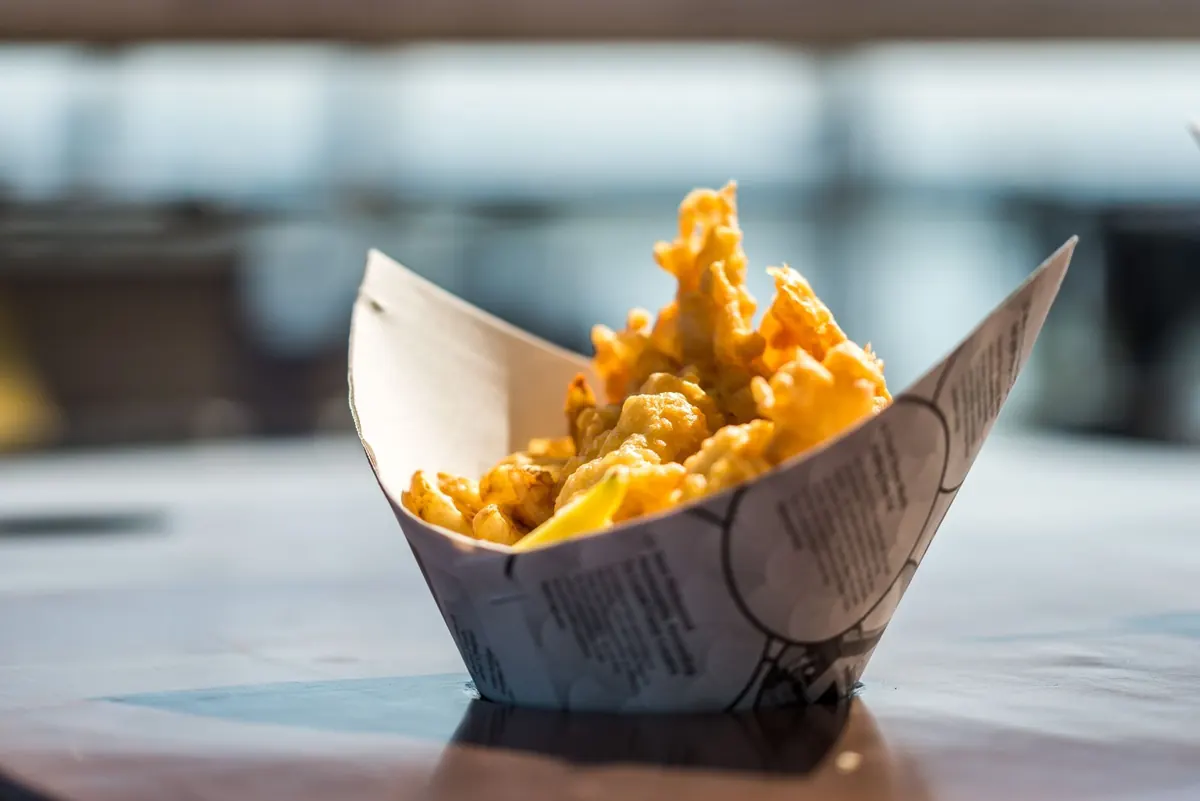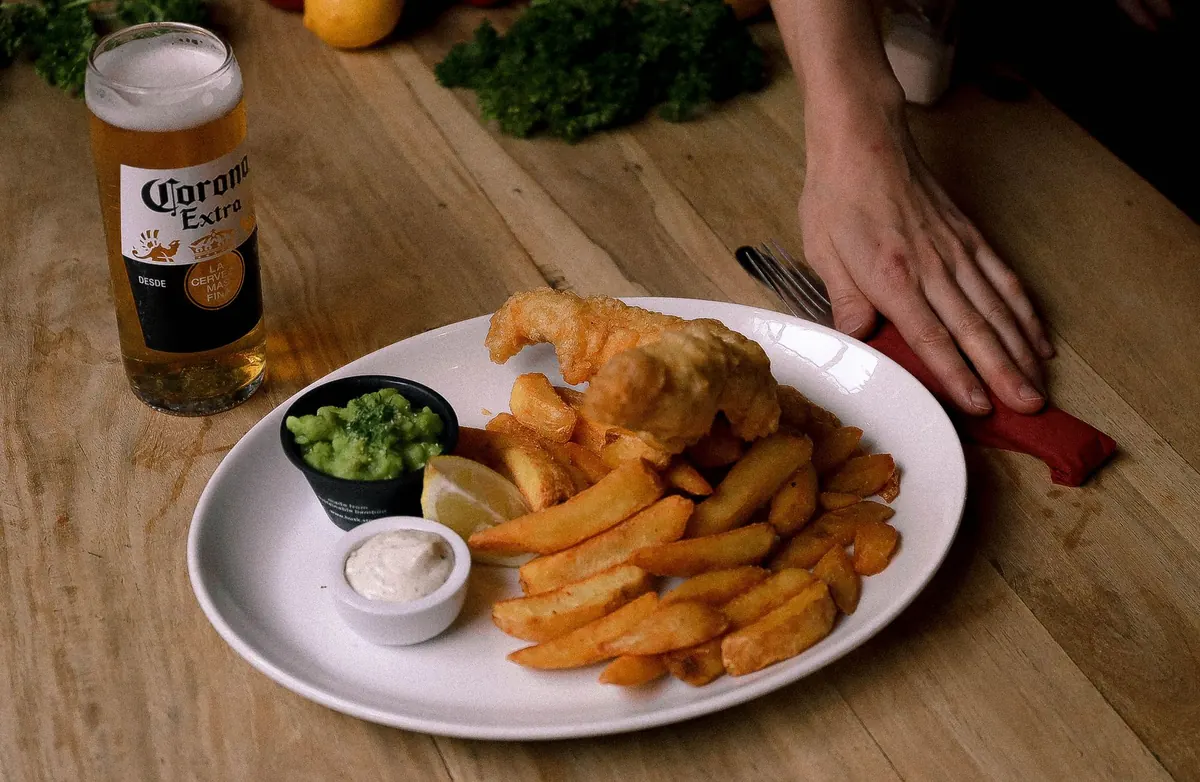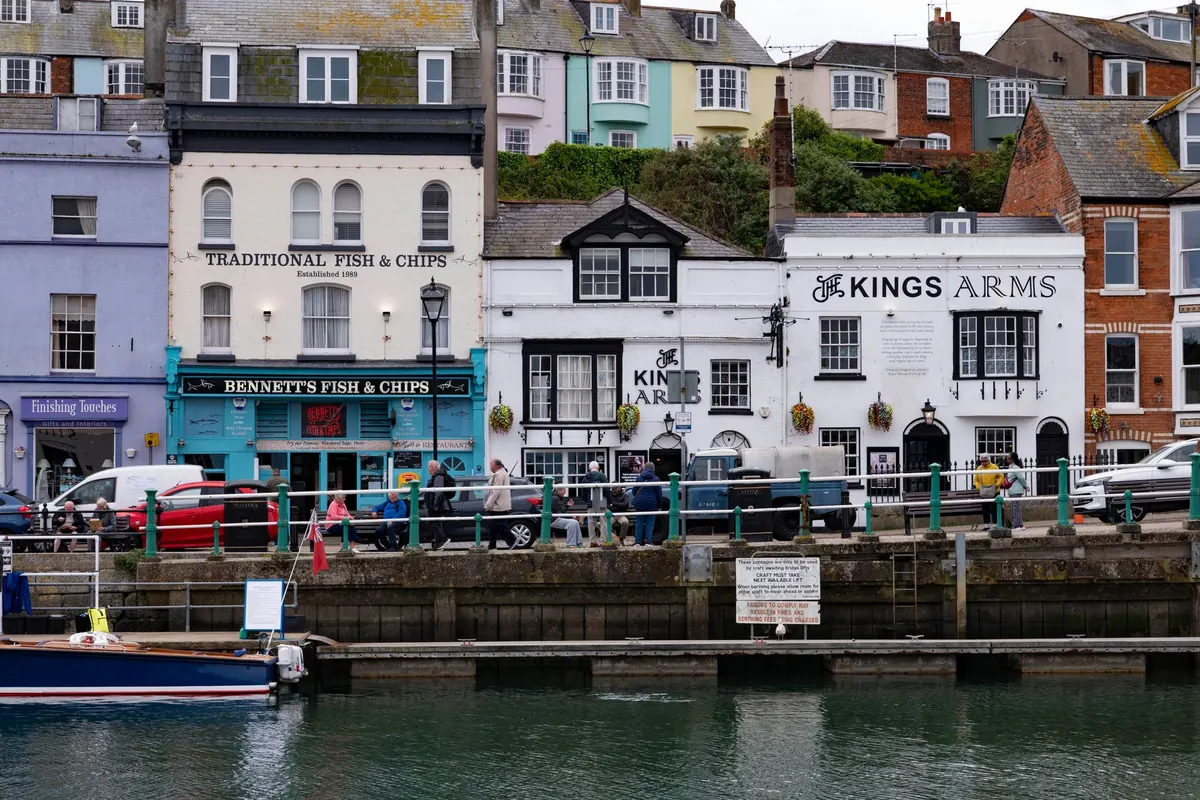
Fish and chips has no real season. The fryer runs in January and August, and a proper haddock supper is rarely a bad idea. But the sides you crave, the fish you should be pointing at on the board and the drink you carry back to the table all shift with the weather. Eat on a seafront wall in July and you want lemon, vinegar and something cold. Stand at a bus stop in February and you want curry sauce, a paper cone and both hands warm. Here is how to order well all year.
Why the Weather Changes Your Order
Two things are happening at once, and only one of them is about you.
The first is appetite. Heat flattens a hunger for fat and pushes you towards acid, salt and cold drinks. Cold weather makes rich food feel like a reward rather than a weight, which is why a thickly battered cod is wonderful in November and faintly punishing in a heatwave. Same fish, same fryer, a completely different meal.
The second is supply. Some species genuinely follow the calendar. Plaice, lemon sole, mackerel and gurnard are at their best through the warmer months. Cod and haddock are available all year, which is fortunate, because a chippy without them is barely a chippy. Potatoes have a season too, in their own quiet way. Late spring is an awkward window: stored potatoes from the previous crop are tiring, and the incoming crop is too waxy to fry properly crisp. If the chips look pale and soft in May, blame the spud before you blame the fryer.
Order the fish that is good today, not the fish you always order.
Summer: Lighter Fish, Sharper Sides
Fish to look for
Lemon sole and plaice are delicate enough to take a thin, crisp batter without turning into a mouthful of dough. Gurnard is underrated and holds up well. Mackerel is the rich one — oily, strong and excellent with something sharp, but heavy going in the middle of a hot afternoon, so consider sharing a portion.
Haddock still works beautifully in summer. Where the board offers a straight choice between haddock and cod, the drier, slightly sweeter flesh of haddock suits warm weather better than cod's creamier texture.
Sides that cut through the batter
- Garden or minted peas instead of mushy peas — same colour, far less weight.
- Pickled onions and gherkins for a hit of vinegar that salt alone cannot deliver.
- Extra lemon, and don't be shy with it. Ask for two wedges.
- Coleslaw or a plain green salad, if the shop does one. Cold, crunchy, clean.
- Tartare made with capers, or a spoon of mayo with lemon stirred through.
One rule matters more than the rest: open the paper. Fish and chips wrapped tight and left in a bag steams itself soft within minutes. Eat outdoors, keep walking while you eat, and let the air get to the batter.
What to drink
Lager shandy, dry cider over ice, a pale ale, or a crisp white such as Muscadet if you are sitting down properly. Elderflower pressé and iced tea work just as well without alcohol. Leave the stout until October.
Winter: Bigger, Warmer, Braver
Fish to look for
Cold months are for the substantial stuff: cod, hake, skate, monkfish, halibut if the shop is feeling generous, and cod roe for those who know. Smoked haddock, where it is available, is one of the great winter orders — deeply savoury, and it stands up to a heavy batter and a spoonful of curry sauce.
This is also the time to consider a battered sausage, a fishcake, or two smaller items instead of one large fillet. A cold evening rewards variety.
Sides that make sense when it is freezing
- Mushy peas, properly made, with a splash of vinegar on top.
- Chip shop curry sauce or gravy — one or the other, not both, unless you are committed.
- Bread and butter to mop up, and a fried slice if they do them.
- Onion rings, potato fritters or extra scraps for crunch.
- Pickled eggs for the traditionalists.
What to drink
A stout, porter or brown ale alongside smoked fish is a genuinely good match. At home, a light red works better than you would expect with battered cod. Tea is perfectly respectable and always has been.
The Shoulder Seasons
Spring and autumn are where the interesting orders live. In early spring, cod roe and skate are worth watching for, and the potato transition means chips can be inconsistent for a few weeks — a good moment to order a fishcake or a sausage, where the potato matters less.
In autumn, as mackerel fattens up and the first proper chills arrive, you can move gradually from lemon and salad towards peas and gravy. Wild garlic mayonnaise turns up in some shops in April and May. If you see it, order it with plain fried cod and thank yourself later.
How to Order Seasonally Without Overthinking It
- Ask what is fresh. A good counter will tell you what came in that morning and what has been sitting. That answer should shape your order more than any menu.
- Ask if they fry to order. If not, go at a quieter time. Peak Friday evening is the worst moment to request something special.
- Match the sauce to the temperature. Acid when it is hot, fat when it is cold.
- Buy the rich fish in small portions. Half a mackerel and a shared bag of chips beats a whole one you cannot finish.
- Keep the paper open on the way home, every season, without exception.
- Ask about batter options. Gluten-free and matzo-meal batters are common, but they are best ordered when the shop is not slammed.
The Short Version
Summer is lemon, thin batter, white fish, cold drinks and a wall to sit on. Winter is curry sauce, a thick crust, smoked or oily fish, stout and a radiator. The rest of the year, follow the weather and trust the person behind the counter.
One sensible note: fried fish and chips are salty, and they are a treat rather than a daily habit. If you are managing blood pressure, cholesterol or a heart condition, talk to your GP or a dietitian about how often they should feature in your week.
Photo: Steve B / Pexels